01
PRESERVE
Control load and inflammation
Rehabilitation, activity planning, orthobiologics and correction of modifiable mechanics.
Professor Lee’s cartilage repair and regeneration hub
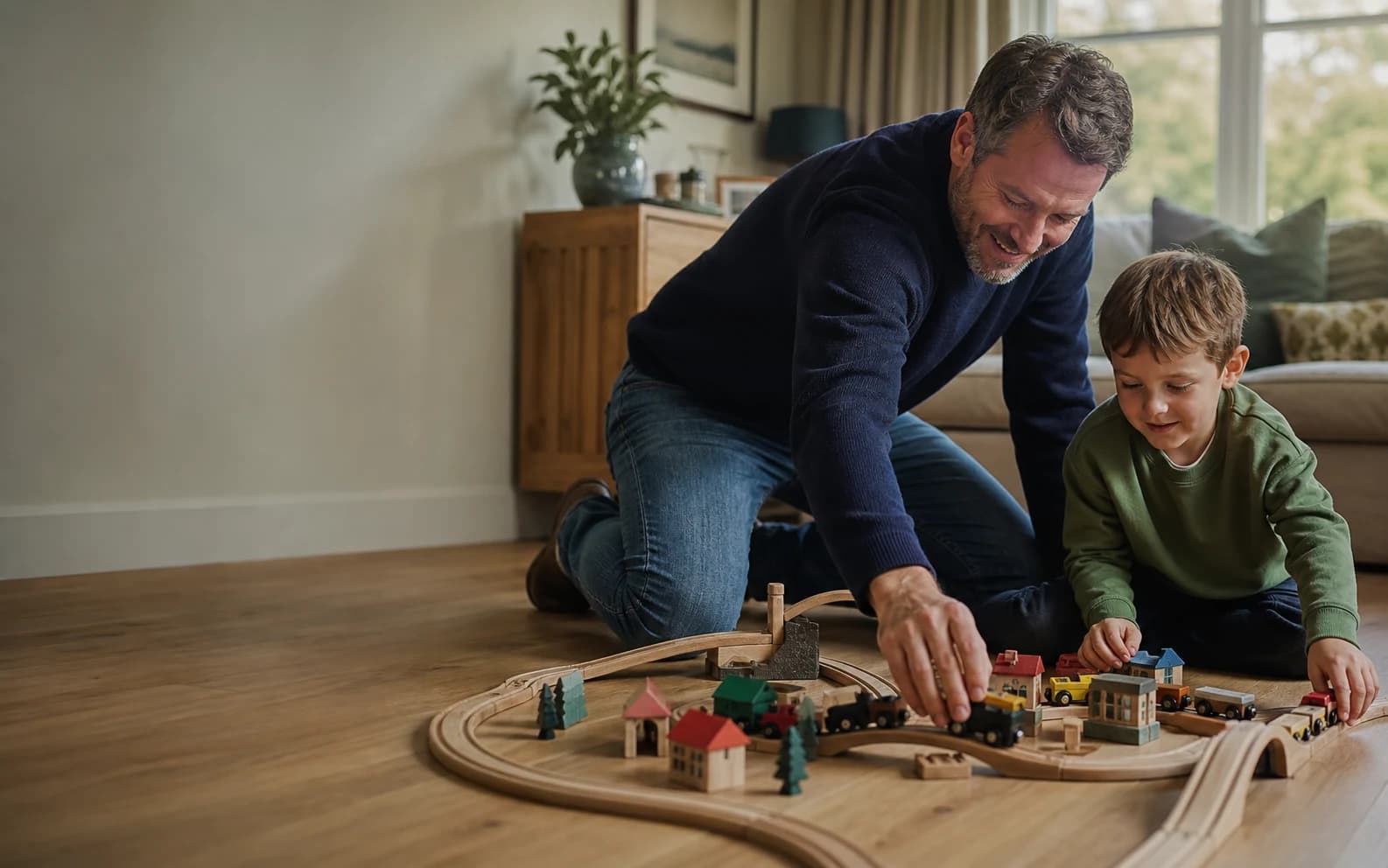
Getting down on the floor, climbing stairs, walking far enough or returning to sport: cartilage matters because movement matters. Professor Paul Lee’s repertoire spans established cartilage surgery and his one-stage NANO ACi technique, with replacement held for the joint that genuinely needs it.
Clinical plate 01 · Cartilage surface and joint load
Articular cartilage creates a smooth, low-friction surface and spreads load into the bone beneath it. Damage can appear as softening, roughening, thinning, local injury or more established osteoarthritic wear.

Mechanical question
Map the pattern of cartilage loss while assessing alignment, stability, meniscus and subchondral load.
Regenerative opportunity
Create and retain a cartilage-specific repair environment at the clinically defined joint surface.
Why cartilage is difficult to heal
Articular cartilage lets a joint move with very low friction while spreading load across the bone beneath it. It contains few cells and no direct blood vessels, so a meaningful defect has little capacity to heal like skin or muscle.
That does not make every defect the same. A contained pothole in otherwise healthy cartilage may suit a focal repair. Diffuse wear affects the whole joint environment. Alignment, ligament stability, meniscus, bone and inflammation decide whether any cartilage procedure has a fair chance of working.
Explore each route separately
Each page explains what the treatment is, which biological or structural job it performs, how Professor Lee uses it and where its evidence begins and ends.

PROFESSOR LEE TECHNIQUE
A one-stage, needle-delivered cartilage technique that combines autologous cartilage micrografts as the seed, ChondroFiller collagen as the soil and ArthroZheal PRF as the signal.
Read the full explanation

CELLULAR PREPARATION
Point-of-care Autologous Micrografting Technology introduced in the UK by Professor Lee; used independently and as the cellular seed within NANO ACi.
Read the full explanation
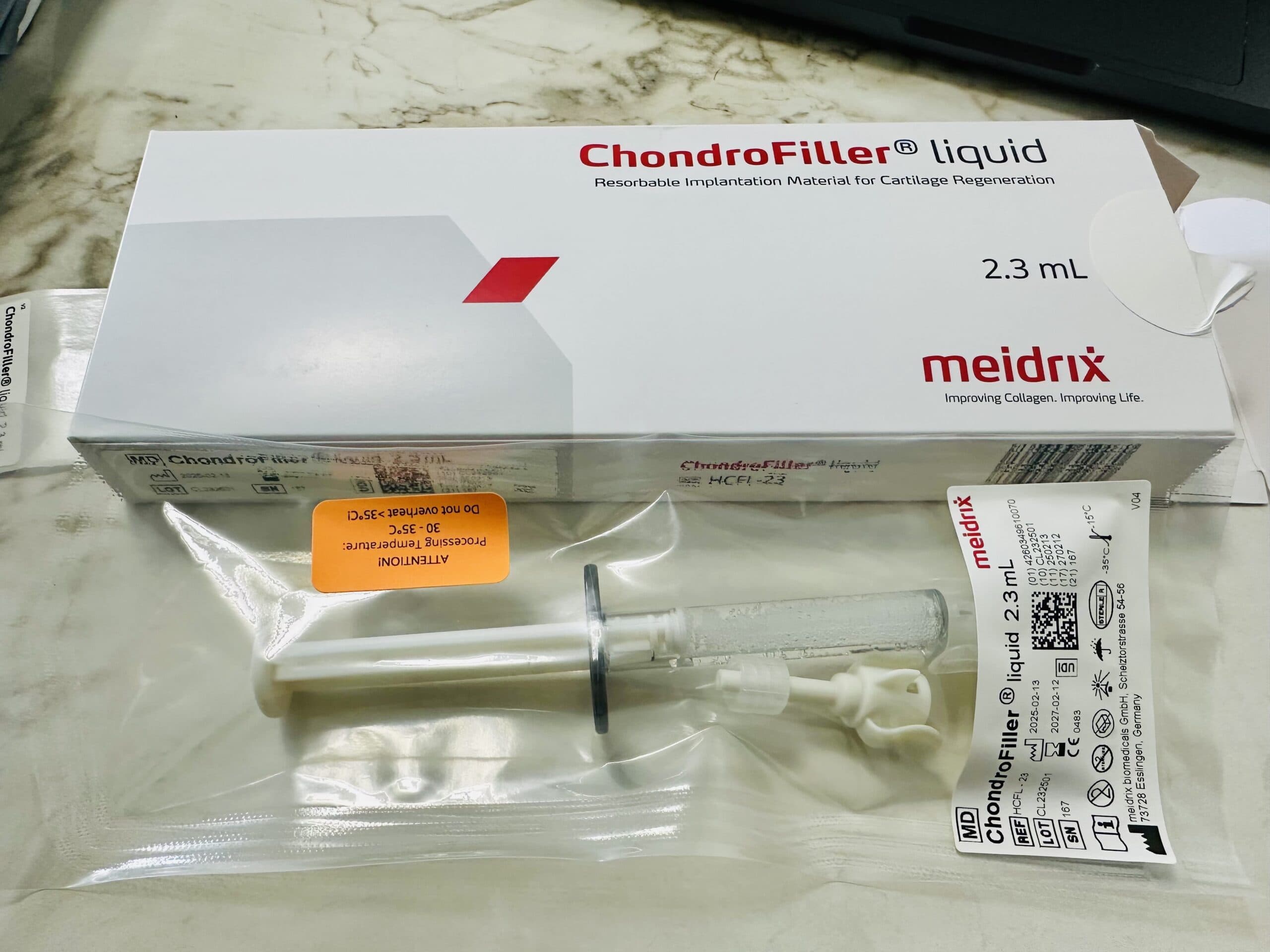
COLLAGEN SCAFFOLD
A cell-free Type I collagen hydrogel used as an ultrasound-guided injection or placed surgically within a cartilage-repair pathway.
Read the full explanation

ESTABLISHED CARTILAGE SURGERY
Professor Lee’s repertoire includes staged cell implantation, osteochondral grafts, scaffold techniques and procedures that correct the mechanics around the defect.
Read the full explanation
The cartilage treatment ladder
Professor Lee’s PRRR framework keeps replacement in the repertoire while widening the decisions that come before it.
01
PRESERVE
Rehabilitation, activity planning, orthobiologics and correction of modifiable mechanics.
02
REPAIR
Microfracture in selected cases, ACI / MACI, osteochondral grafting, scaffold procedures and structural correction.
03
REGENERATE
NANO ACi combines Seed · Soil · Signal in one image-guided session.
04
REPLACE
Partial or total joint replacement when the native surface can no longer be meaningfully preserved.
NANO ACi in one view
SEED
The patient’s auricular cartilage is mechanically prepared into autologous micrografts.
SOIL
A collagen hydrogel provides the three-dimensional environment at the cartilage target.
SIGNAL
Platelet-rich fibrin prepared from the patient’s own blood supplies the physiological medium and signal.
Professor Lee’s NANO ACi technique defines the patient, target, preparation, sequence and precise one-stage delivery that turn those components into a coherent procedure.
See the complete NANO ACi techniqueEvidence boundary
ACI, MACI, osteochondral grafts, ChondroFiller, Mytocel AMT and platelet-rich fibrin have different evidence bases, indications and procedures. NANO ACi is a newer combined protocol and is being followed prospectively through Professor Lee’s NANO ACi 100 outcomes programme. No component’s evidence is used as a substitute for the complete technique’s own results.
The useful question is not which option sounds newest; it is which one matches the pattern and mechanics of this joint.
See the whole cartilage repertoire before choosing a procedure
Professor Lee assesses the defect, surrounding cartilage, bone, meniscus, alignment and stability before deciding whether to preserve, repair, regenerate or replace.